

Cor-Line Technical Hub
The Cor-Line Technical Hub gives you direct access to drawings, datasheets, and system specifications for the full range of our aluminium products. You can download CAD and PDF files, check performance data, and review key details needed for early-stage design and coordination. Everything is grouped by system to keep your workflow fast and organised, with project-specific support available if you need it.
Finishes to suit every application
RAL Colours All Cor-Line aluminium systems are finished using the full RAL colour range. RAL is the industry standard colour system used in architectural specification. Every shade is defined by a numeric code, which gives you accurate colour matching across windows, doors, cladding, steelwork, and other building elements. You can specify any RAL Classic colour as standard, with options for matt, satin, or gloss finishes. Dual-colour frames are available when you need different internal and external colours. This is useful on projects where interior design schemes don’t match the exterior palette. We also offer deeper premium colours and texture finishes for projects that need a more architectural look. Powder-Coating Process All profiles are finished using high-grade architectural powder coating. This is applied using an electrostatic process that bonds a dry powder to the aluminium before it’s oven-cured. The curing stage produces an even, durable surface that resists UV fade, corrosion, and general wear. The process creates a uniform finish with long-term colour stability, which is why it’s used across the industry for external aluminium systems. Each batch goes through surface preparation to remove contaminants, then a conversion layer is added to improve adhesion. This gives the coating maximum durability and helps the frame maintain its appearance over many years. Marine-grade options are available for coastal or exposed locations.
Textured Finishes Textured finishes give your aluminium frames a deeper, more architectural look. These coatings use the same powder-coat process as standard RAL colours but include added texture particles that create a tactile surface. The finish is thicker and more hard-wearing than a smooth coat, which gives improved scratch resistance and long-term durability. Architects often use textured options to add definition to frames on large elevations or when a matt surface needs more visual depth. Textured coatings are available across a wide selection of RAL-based shades, including contemporary blacks, dark greys, and earth colours. They’re suitable for external and internal use and keep their appearance well in high-traffic or exposed areas. Marine-grade textured options are available for coastal projects.
Anodized Finishes Anodised finishes offer a different look and performance profile to painted or textured coatings. Instead of applying a surface layer, the aluminium itself is electrically treated to form a controlled oxide layer. This process increases surface hardness, gives excellent corrosion resistance, and produces a consistent metallic appearance. Architects often specify anodising when they want a natural metal look, a premium architectural finish, or when the project needs a more industrial aesthetic. Anodising is achieved by submerging the aluminium in an electrolytic bath. An electric current passes through the material, which opens the pores of the surface and builds a protective oxide layer. The depth of this layer determines durability and colour tone. The anodised layer becomes part of the metal rather than sitting on top of it, which means it won’t peel, flake, or blister over time. Colour options include natural silver tones, bronze variations, black, and a range of metallic shades. Each retains the clarity and grain of the aluminium beneath, giving a finish that is more “raw” and uniform than standard powder coating. Anodised surfaces perform well in demanding environments, with options available for coastal and high-exposure projects. Maintenance needs are minimal, making anodising a strong choice for long-term, design-led applications.
COMING SOON


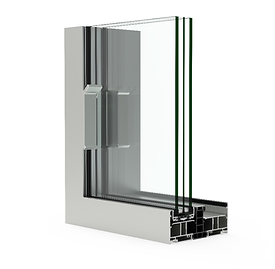


Cor-Vision Evolution Testing
Transmittance
Uw ≥ 0,88 (W/m²K)
Acoustic Insulation
Maximum Glazing - 44mm
Minimum Glazing - 28mm
Rw up to 43 dB
Wind Resistance
Class C5
Air Permeability
Class 4
Water Resistance
Class E900




PART L - Conservation of fuel and power
You must consider:
-
Overall U-Value.
-
Glazing Ratios.
-
Thermal Breaks and frame design
Cor-Line products:
-
Cor-Vision Sliding Doors.
-
Bi-Fold Plus Systems.
-
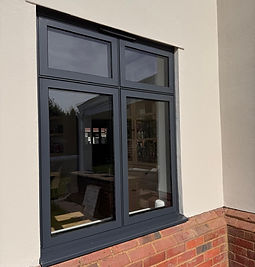
Aluminium casement windows.
-
Roof Lights (Project Depending)


THIS AREA IS
UNDER CONSTRUCTION
