
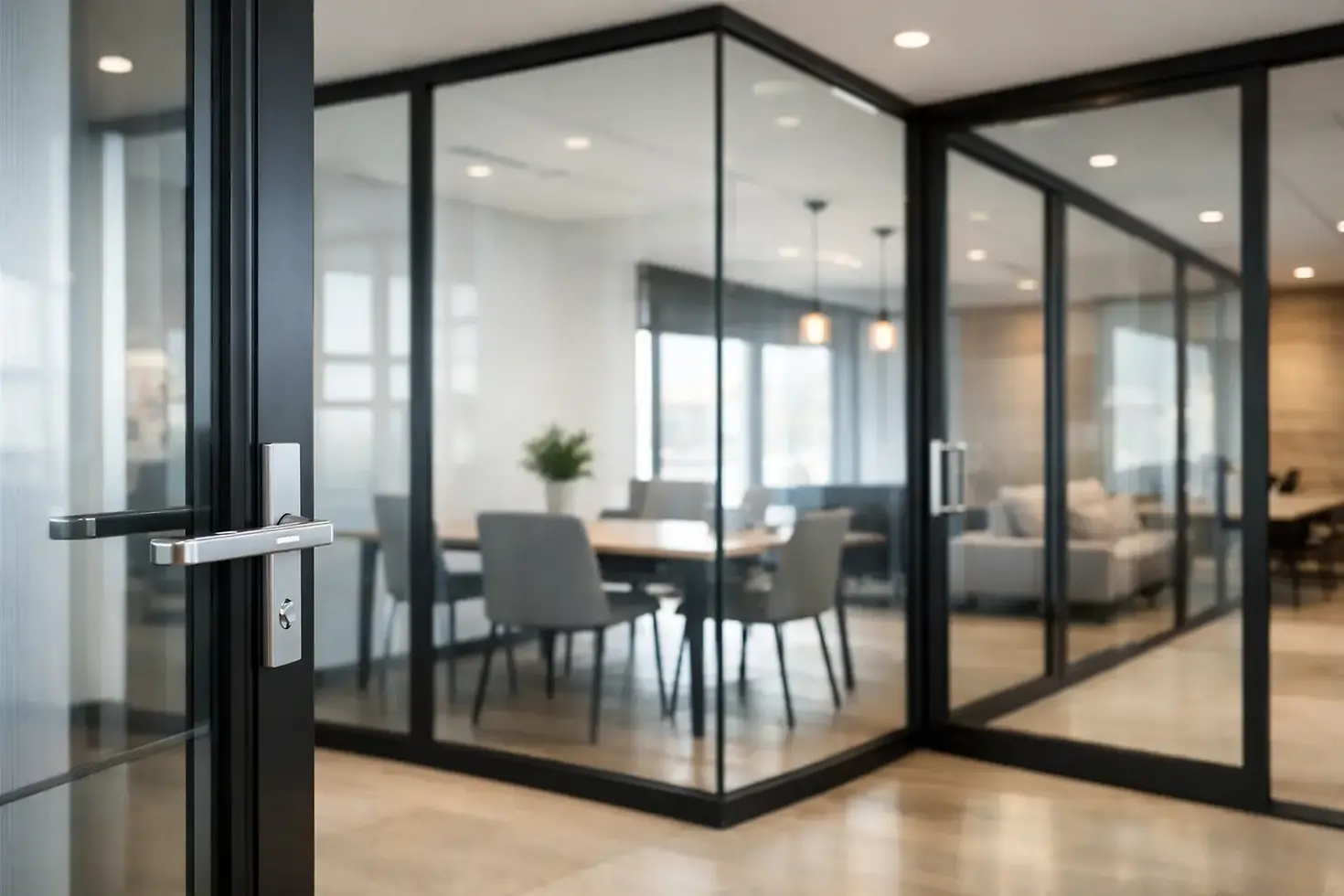
Internal Aluminium Doors and Glazing
A kitchen extension can be beautifully built, flooded with daylight and finished to a high standard, yet still feel slightly unresolved. Often, that comes down to how spaces are divided. Internal aluminium doors and glazing solve that problem with unusual precision - creating definition without closing rooms off, and adding a strong architectural line that feels deliberate rather than decorative.
For homeowners, architects and builders working on design-led projects, this is one of the most effective ways to improve how a property looks and functions at the same time. It introduces natural light deeper into the plan, gives open layouts more structure and delivers a premium finish that suits both contemporary and heritage-influenced interiors. The appeal is obvious, but the best results come from understanding where these systems work best, what choices matter most and where a tailored specification makes all the difference.
Why internal aluminium doors and glazing work so well
The strongest interiors tend to balance openness with separation. Large open-plan spaces are popular for good reason, but they do not always perform perfectly in everyday life. Sound carries, cooking smells travel, heating zones are harder to manage and one large room can sometimes feel less practical than expected.
Internal aluminium glazing offers a more considered answer than a solid partition wall. You keep visual connection and borrowed light, while gaining a clearer sense of purpose between areas. A home office feels separate enough for work. A hallway no longer feels enclosed. A kitchen can be partially screened from a living space without losing the wider sense of scale.
This is also where aluminium stands apart from chunkier alternatives. Its inherent strength allows for slim frames and cleaner sightlines, which is exactly what gives these systems their crisp, refined appearance. Rather than dominating a room, they frame space neatly and let the glass do more of the visual work.
Where internal aluminium doors and glazing add the most value
In residential settings, these systems are often used between kitchens and living rooms, entrance halls and main living areas, utility rooms and kitchens, or as a way to enclose a study without making it feel cut off. They are equally effective in loft conversions, extensions and self-builds where light flow is a central part of the design.
In commercial and mixed-use settings, they suit meeting rooms, private offices, reception areas and high-specification fit-outs where appearance matters alongside practicality. The look is polished and contemporary, but not cold when specified well.
One of the main reasons they add value is that they solve more than one problem at once. They improve layout, support better natural light distribution and create a stronger interior identity. In premium homes especially, those details matter. Buyers and clients notice when the internal architecture feels coherent.
Not every room needs the same solution
This is where experience matters. A fully glazed screen may be ideal between a hallway and kitchen diner, but less suitable where privacy is needed. A single door with fixed side panels can be enough in one project, while another may call for double doors and a full-height screen to match a wider opening.
There is also a design decision around how bold the glazing should be. Some clients want a classic industrial-style grid, which introduces more visual rhythm and a slightly heritage feel. Others prefer larger panes and fewer bars for a cleaner, more minimal look. Neither approach is inherently better - it depends on the property, the interior scheme and how prominent the installation is intended to be.
Design details that make a difference
The success of an internal glazing system is rarely down to one headline feature. It is usually the combination of frame proportions, bar layout, door configuration, finish and installation quality that determines whether the result feels average or genuinely impressive.
Sightlines matter because they affect the overall elegance of the system. Slimmer framing generally gives a more premium architectural finish, but proportion still needs to be right for the opening. Oversized panes can look striking, though they may not suit every setting or practical requirement.
Colour choice is another key consideration. Black remains a leading option because it gives aluminium glazing its signature definition and works across a wide range of interiors. That said, dark bronze, anthracite and softer neutral tones can produce a more tailored result, particularly in homes where the rest of the palette is warmer and more textural.
Door style deserves careful thought as well. A hinged single or double door is often the most timeless solution and suits many domestic projects. In tighter layouts, however, other configurations may help with circulation and furniture placement. The right answer depends on how the room is used day to day, not just on what looks best in a brochure.
Performance is about more than appearance
Because these are internal systems, clients often focus almost entirely on aesthetics. Understandably so - the visual impact is immediate. But practical performance still matters.
A well-made aluminium door should feel precise in operation, not loose or insubstantial. Good hardware, careful fabrication and accurate installation all influence the experience of using it every day. Doors that do not align properly, close cleanly or feel solid in the hand can quickly undermine the premium impression.
Acoustic separation is another consideration. Internal glazing will not provide the same level of sound reduction as a solid wall, but it can still improve privacy and reduce noise transfer compared with leaving spaces fully open. Expectations need to be realistic here. If the goal is complete acoustic separation for a music room or highly confidential workspace, a different specification may be required.
Safety glazing, ironmongery quality and the practicalities of maintenance should also be considered early. Aluminium has a clear advantage in that respect. It is durable, stable and low maintenance, making it well suited to busy family homes and demanding commercial environments alike.
Internal aluminium glazing in period and contemporary properties
There is a common assumption that aluminium suits only modern architecture. In practice, internal systems are remarkably versatile. In a contemporary extension, they reinforce the clean lines and openness of the design. In a period property, they can provide a thoughtful contrast - especially when used to divide newly opened-up spaces or connect original rooms with newer additions.
The key is restraint. In listed or characterful homes, the framing layout and finish should complement the existing architecture rather than compete with it. A heritage-inspired arrangement with considered glazing bars can feel entirely at home in a traditional setting, particularly when paired with sympathetic materials elsewhere in the scheme.
This is often why bespoke advice is so valuable. What works beautifully in a converted barn may feel too stark in a Victorian renovation, while a bold black grid that suits a modern self-build could overwhelm a softer interior concept.
Why specification and support matter
Internal glazing may look straightforward once installed, but achieving a clean, high-end result takes planning. Opening sizes need to be accurate. Frame details need to coordinate with flooring, plaster finishes and surrounding joinery. Door swing and handle position should be resolved before the build reaches site-critical stages.
For homeowners, this is where specialist guidance removes a great deal of uncertainty. For builders and architects, it helps keep the project moving and avoids avoidable site issues. Fast lead times are useful, but they matter most when paired with technical clarity and responsive support.
That consultative approach is particularly important on bespoke projects. A glazed screen across a hallway, a statement partition between kitchen and lounge, or a carefully proportioned office enclosure all require more than an off-the-shelf mindset. Cor-Line Systems works best in exactly that space - where product quality, design understanding and practical support need to come together.
Making the right choice for your project
If you are considering internal aluminium glazing, the right question is not simply whether it looks good. In most cases, it will. The better question is how it should work within your floorplan, lighting strategy and wider interior design.
Think about what the space needs to do. Do you want to retain daylight while creating privacy? Improve the feel of circulation areas? Add structure to an open-plan layout without making it feel smaller? Once those priorities are clear, the right configuration becomes much easier to define.
The best internal glazing does not feel like an add-on. It feels embedded in the architecture of the property, as though the space was always meant to work that way. That is usually the difference between a fashionable feature and a lasting improvement.
When chosen carefully, internal aluminium doors and glazing bring more than a distinctive look. They give a home or commercial interior clarity, light and a sense of finish that people notice straight away and appreciate for years to come.


Comments