
Aluminium Glazing for Self Build Homes
- Jun 28
- 6 min read
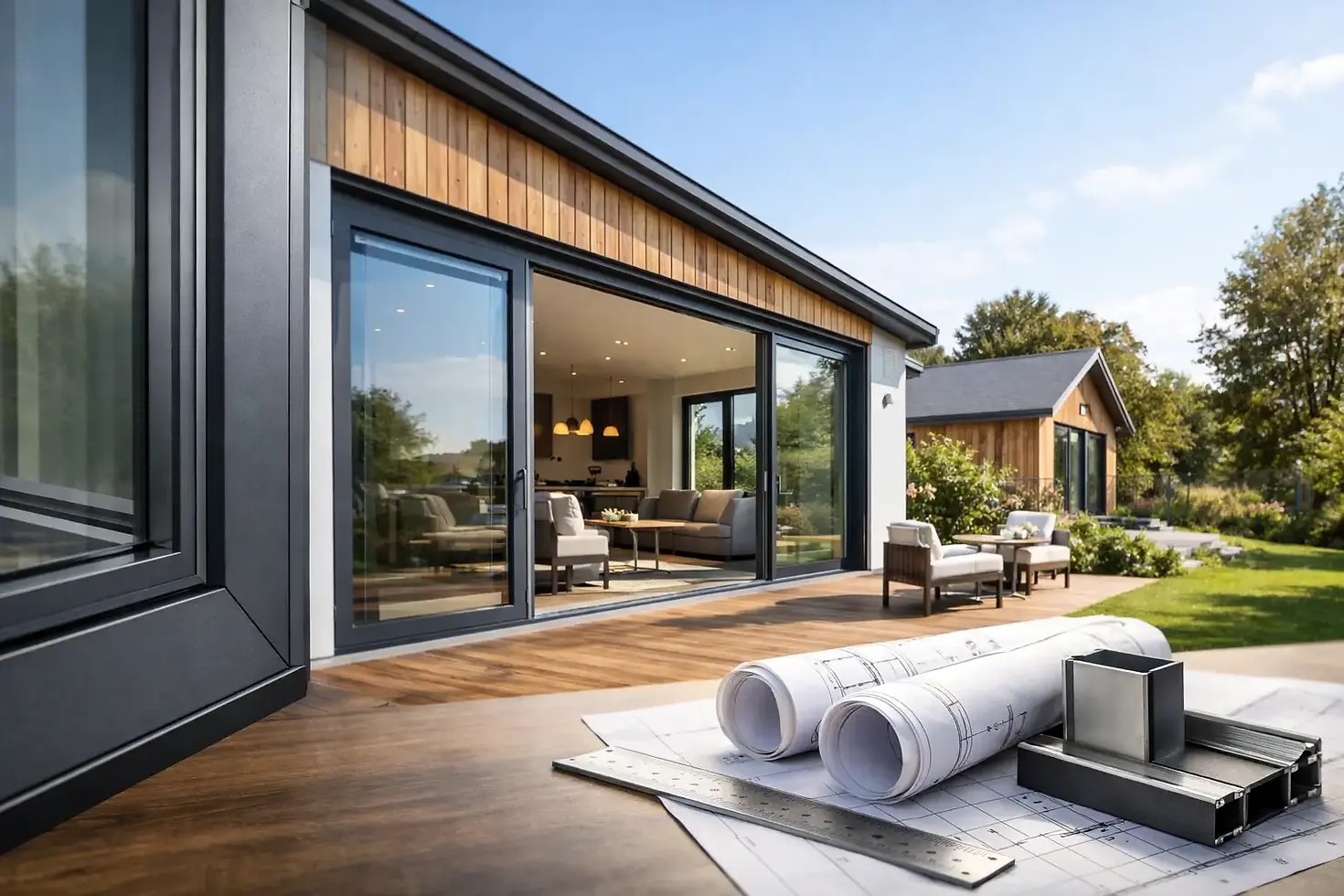
When you are planning your own home, glazing decisions quickly move from a detail on a drawing to something that shapes the entire building. Aluminium glazing for self build projects affects how much light enters each room, how the house sits in the landscape, how comfortable it feels in winter, and how cleanly the finished design comes together.
That is why glazing deserves early attention, not a late-stage product swap. On a self-build, the right aluminium system can help deliver the architectural intent with fewer compromises, whether that means broad sliding doors opening onto a patio, heritage-style doors for a period-inspired elevation, or roof glazing that brings light into the centre of the plan.
Why aluminium suits self-build projects so well
Self-build homes tend to be more design-led than standard developer housing. They often include larger openings, more ambitious room layouts and stronger links between inside and outside. Aluminium is particularly well suited to that brief because it offers impressive structural strength with relatively slim frames.
That balance matters. You can achieve wider expanses of glass, neater sightlines and a more refined finish without moving into something bulky or visually heavy. For contemporary homes, that is often exactly the look people want. For traditional or mixed-style homes, aluminium has moved on considerably, with systems that can sit comfortably alongside heritage details as well.
There is also the practical side. Aluminium is durable, low maintenance and stable over time. It will not swell, warp or demand the regular upkeep associated with some other materials. On a self-build, where every specification choice needs to justify itself over the long term, that reliability is a major advantage.
Aluminium glazing for self build - what to decide first
The biggest mistake is treating glazing as a simple product selection. In reality, it is part of the architectural strategy. Before choosing individual doors or windows, it helps to think about how the house will work as a whole.
Start with the priorities of the building. Do you want maximum daylight, panoramic views, a strong connection to the garden, or a more private and controlled feel? Are you building a clean-lined contemporary house, a barn-style home, an oak-framed property or a renovation with modern additions? The answers shape the right glazing approach.
Orientation matters just as much as style. Large south-facing glazed elevations can look superb, but they need careful consideration to avoid overheating. North-facing glazing may give softer, more consistent light, yet may require a different balance of frame design and thermal performance. West-facing openings can deliver dramatic evening light, but also glare and excess solar gain at certain times of year.
This is where expert input pays off. A glazing package should support both design and performance, not leave one undermining the other.
Matching systems to the way you want to live
Different aluminium systems solve different problems. Sliding doors are often the first choice where uninterrupted views and wide openings matter most. They suit modern self-builds particularly well because they keep sightlines fine and create a calm, high-specification look.
Bi-fold doors still have a place, especially where a fully opened corner or a more complete opening to the outside is part of the brief. They can transform kitchen-dining spaces and garden rooms, although they do introduce more visible frame lines than sliding systems. Which works better depends on whether your priority is a fully folded-back opening or the cleanest glazed elevation.
Windows deserve the same level of thought. Casement windows remain a versatile choice across many project types, while tilt and turn windows can be useful where practicality, ventilation and easy cleaning are important. In more character-led schemes, sash-style aluminium windows or heritage-inspired external doors can preserve the architectural feel without losing the benefits of a modern aluminium system.
Roof glazing is another area where self-build projects often gain real value. Rooflights and lanterns can bring daylight deep into the floor plan, lift spaces with flat ceilings and make internal zones feel more generous. Used well, they change the quality of a room rather than simply making it brighter.
Performance is about more than U-values
Thermal performance is rightly a major consideration, but it should not be reduced to one number. A good self-build glazing specification looks at the overall behaviour of the system, including frame design, glass specification, weather performance and installation quality.
Modern aluminium systems can achieve excellent results, particularly when designed with thermal breaks and paired with the right glazing units. That gives self-builders access to strong performance without giving up the slim, architectural appearance that often draws them to aluminium in the first place.
But context matters. Triple glazing may be the right choice on some projects, especially where energy performance targets are demanding. On others, high-quality double glazing may offer the better balance of cost, weight, sightlines and overall performance. There is no single answer that suits every build.
Acoustics may also deserve more attention than they usually get. If your site is near a road, railway line or in a busy village centre, glass specification can make a noticeable difference to everyday comfort. Security, ventilation and solar control should be considered at the same time rather than added as afterthoughts.
Design detail is where premium glazing earns its place
On paper, many products can appear similar. On site, the differences become far clearer. Sightlines, corner details, frame proportions, threshold options and finish quality all affect the end result.
This is especially true in self-build homes, where the glazing is often one of the most visible and expensive elements in the envelope. Poorly judged frame sizes can make an elegant elevation feel clumsy. Inconsistent detailing between doors, windows and fixed glazing can break the visual rhythm. Conversely, a coordinated aluminium package helps the whole design feel intentional.
Colour choice is part of this as well. Anthracite grey remains popular, but it is far from the only option. Black, textured finishes, dual colours and more subtle architectural shades can all work beautifully depending on the setting. The best choice is the one that supports the materials palette of the building rather than following a trend by default.
Why early coordination saves time and cost
Glazing affects structure, drainage, threshold build-ups, insulation zones and finishing details. Leave it too late and you may end up redesigning openings, compromising sightlines or accepting awkward interfaces on site.
Early coordination with your supplier helps avoid that. It allows technical details to be checked before they become costly. It also gives more time to align lead times with the build programme, particularly if the project includes multiple systems such as sliding doors, windows, rooflights and balustrades.
For builders and architects, dependable technical support is often as important as the product itself. Clear drawings, practical advice and responsive communication reduce friction during procurement and installation. For homeowners, that same support brings confidence at a point in the project where there are already plenty of moving parts.
This consultative approach is where a specialist supplier stands apart from a basic price-led quote. A bespoke self-build deserves more than a standard package pushed into non-standard openings.
Budgeting realistically for aluminium glazing for self build
Glazing can represent a significant investment, particularly on high-specification homes with large openings and bespoke details. The sensible question is not whether aluminium is the cheapest route, because it often is not. The better question is whether it delivers the right long-term value for the design and performance you want.
In many self-builds, the answer is yes. Aluminium brings durability, low maintenance, strong visual appeal and flexibility across a range of applications. It can also add perceived quality to the finished home, which matters whether you plan to stay for decades or protect future resale value.
That said, there are trade-offs. Very large panes, minimal-frame systems and complex configurations will push costs upwards. So will specialist finishes, upgraded glass specifications and challenging installation conditions. Value engineering can help, but it works best when done carefully. Reducing cost without understanding the design effect often leads to compromises that are visible every day.
A better route is to prioritise where glazing has the biggest impact. That may mean investing in the principal elevation and simplifying less prominent areas, or choosing a refined sliding system in the main living space while using more standard window formats elsewhere.
Choosing a supplier that understands self-build
Self-build projects need more than order processing. They need guidance, responsiveness and a genuine understanding of how bespoke residential projects come together. That includes helping clients compare system options honestly, flagging practical issues early and supporting installation with the right technical information.
For premium projects, the supplier should feel like part of the delivery team rather than a distant manufacturer. That is particularly valuable when you are balancing aesthetics, performance and programme pressure at the same time. Cor-Line Systems works in exactly that space, supporting homeowners and trade professionals with tailored aluminium glazing solutions designed around the needs of the project.
The strongest self-build homes always feel considered. Not just in the headline architecture, but in the details you touch and look through every day. Get the glazing right, and the whole house feels calmer, brighter and more resolved from the moment you walk in.


Comments